White Paper
Safety and Security of Our Members and Jamaats in Europe
Issued by The Council of European Jamaats (CoEJ)
Introduction

In recent years, Europe has witnessed a concerning increase in security threats and Islamophobic incidents, culminating in heightened tensions around community centres and mosques. This White Paper is a proactive measure arising both from these pressing realities and from Team Fajr’s original manifesto and vision for this term, which emphasised the creation of a safer, more resilient network of Member Jamaats under the umbrella of CoEJ.
Historically, Muslims have been recurrent targets of hate crimes. However, the past year has demonstrated a worrying upward trajectory in both the frequency and severity of such incidents. These attacks have not only endangered lives but have also disrupted the peace and cohesion that define our community spaces.
The purpose of this White Paper is to outline a unified framework to strengthen safety, build collective awareness, and ensure preparedness across all Member Jamaats. Safety and security must be treated as key strategic priorities, integral to our operational planning and central to our duty of care to every member of our community.
Overview of Hate Crimes Across Europe (2024–2025)
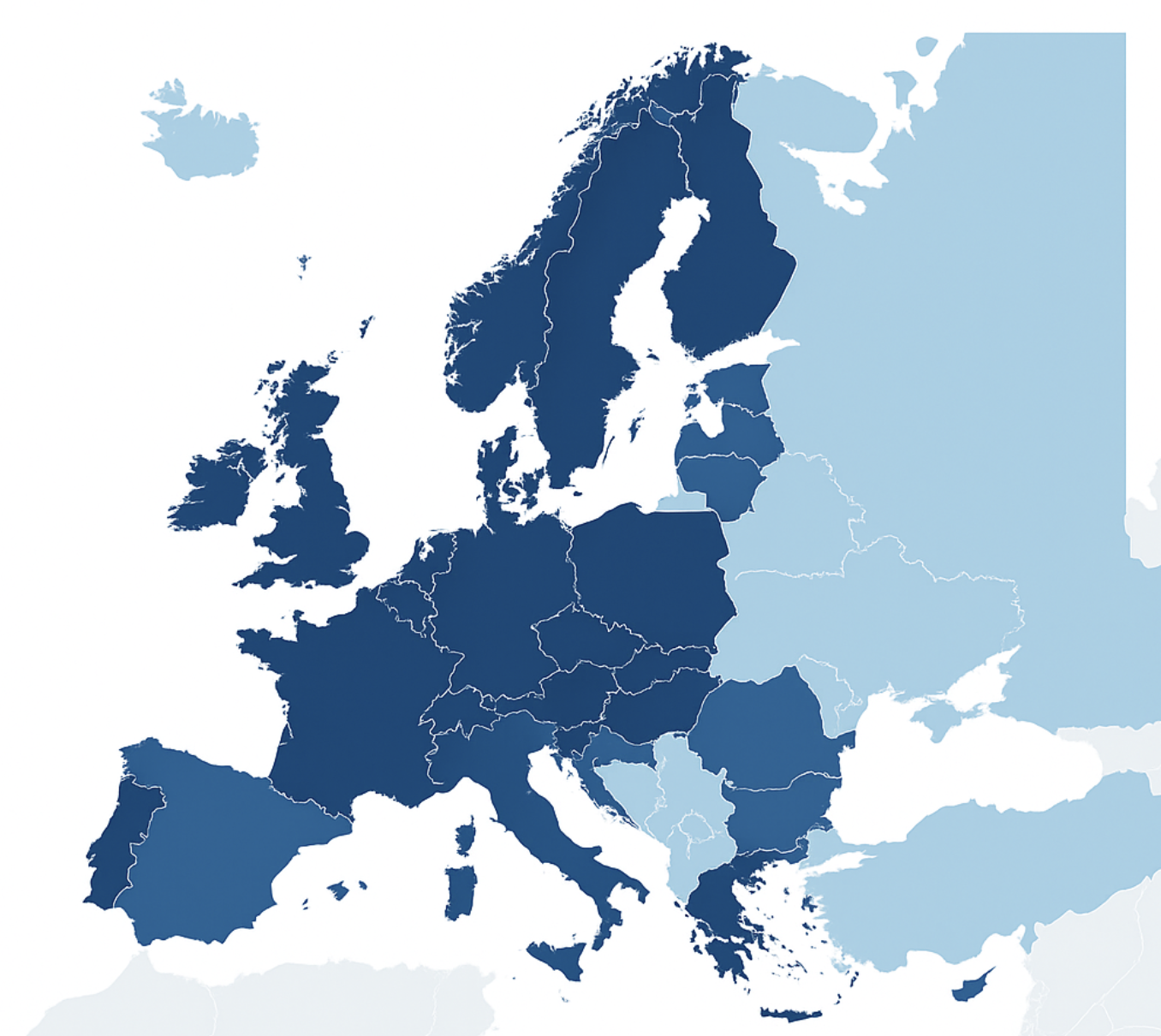
Between October 2024 and October 2025, there has been a sharp rise in the number of Islamophobic incidents reported across Europe. These incidents have varied in nature and severity but share a deeply concerning pattern of hostility towards Muslims and their places of worship. They include a series of assaults and vandalism targeting mosques and Muslim-owned businesses, arson attacks on Islamic centres, and multiple instances of Muslim women and families being physically attacked in public spaces or even outside their own homes. Extremists have been convicted for plotting coordinated attacks on mosques, while others have vandalised Islamic institutions with hate-fuelled graffiti. There have also been deeply distressing cases of Muslim women having their hijab forcibly removed, schools serving Muslim communities being evacuated due to bomb threats, and tragic murders of Muslims that authorities have investigated as hate-motivated.
While these examples illustrate the visible side of the threat, they represent only a fraction of the broader issue. Many Islamophobic incidents go unreported due to fear, social stigma, or lack of trust in reporting systems. The trend observed across the past years is not limited to a single region or country, but rather reflects a Europe-wide escalation in hate crimes and prejudice against Muslims, affecting all Muslim communities.
These incidents demonstrate a sustained threat environment. The recurrence of violence, vandalism, and intimidation against Muslims across multiple European nations necessitates a coordinated, informed, and proactive approach from CoEJ.
CoEJ Strategic Response Framework
To ensure the safety and security of our Members and Jamaats, CoEJ proposes the establishment of a European Security Advisory and Response Team. This body will centralise expertise and coordination in four critical domains:
- Media and Public Relations – Incident Response
- Hold & Secure, Shelter in Place, and Lockdown Procedures
- CENS: Community Emergency Notification System
- Hate Speech & Hate Crime – Incident Reporting Systems
In pursuit of continuous improvement, the European Security Advisory and Response Team will also serve as a platform for learning and adaptation. Jamaats that have implemented measures through prior experience will share best practices and operational insights. Subject Matter Experts (SMEs) will contribute professional guidance to refine our systems and procedures.
CoEJ has already initiated this process by circulating a Safety and Security Questionnaire to all Member Jamaats. This instrument aims to capture each centre’s existing capabilities in areas such as emergency planning, CCTV coverage, access control, incident response, and staff training. The data collected will inform our next phase of planning and support.
Investment in Security and Capacity Building

Given the escalating risks, CoEJ recognises that investment in security infrastructure is no longer optional - it is a necessity. The Council will undertake a comprehensive review of security systems across all Jamaats, beginning with quick audits and advancing to detailed assessments once questionnaire responses are analysed.
Key recommendations include:
- Conducting Quick Audits to assess the effectiveness of existing security infrastructure.
- Identifying vulnerabilities such as blind spots, outdated technology, and insufficient surveillance coverage.
- Using findings to guide strategic upgrades to hardware, software, and operational policies.
- Ensuring that enhanced security measures can provide both deterrence and high-quality forensic evidence to aid investigations.
Alongside infrastructure upgrades, CoEJ is prioritising the development of a training programme. We are engaging with security professionals to determine appropriate training for designated safety officers within each Member Jamaat. These individuals will be trained to identify early warning signs, assess risks, and implement immediate protective measures.
Recommendations and Action Plan

To operationalise this strategy, CoEJ proposes the following action points:
- Harmonise and share emergency response plans across all Member Jamaats.
- Design and implement an Early Warning System (EWS) for potential threats.
- Establish a centralised reporting and learning platform for security-related incidents.
- Consolidate collected information and engage relevant authorities for remedial action.
- Facilitate regular tabletop and live-drill exercises across regions.
- Build partnerships with national security bodies and interfaith organisations to strengthen resilience.
Conclusion and Call to Action
The safety and security of our Members and Jamaats must stand as a cornerstone of our collective agenda. The incidents of the past year have underscored the need for vigilance, preparedness, and unity. Through the European Security Advisory and Response Team, the adoption of standardised protocols, and investment in people and systems, CoEJ aims to create a Europe-wide framework of protection that reflects our shared values and our commitment to each other.
We now call upon every Member Jamaat to engage actively in this process, by sharing data, volunteering expertise, and implementing recommended measures. Together, we can transform our collective vulnerability into a shared shield of preparedness and resilience.